Last updated:
How the one-year holding period works in detail and what pitfalls exist is explained in our foundational guide Crypto Tax Advisor.
Tax despite a holding period of 365 days?
It sounds like a classic fairy tale from the crypto world: you dutifully hold your bitcoins for 365 days to save tax, and then the tax office presents a hefty bill. That is exactly what happened to one of my clients. He sold his bitcoins after 366 days and still had to hand over almost 50 percent of his gains to the tax office. Why?
The myth of the 365 days
Everywhere you read that selling cryptocurrencies is tax-free after 365 days. But that is a dangerous misconception. It is not about a fixed number of days, but about a complete year.
The exact date is what counts
If you buy Bitcoin on 1 January 2024, you can only sell it tax-free on 2 January 2025. It is the exact date that counts, not the number of days. This small but decisive difference can ultimately determine thousands of euros.
The leap year trap
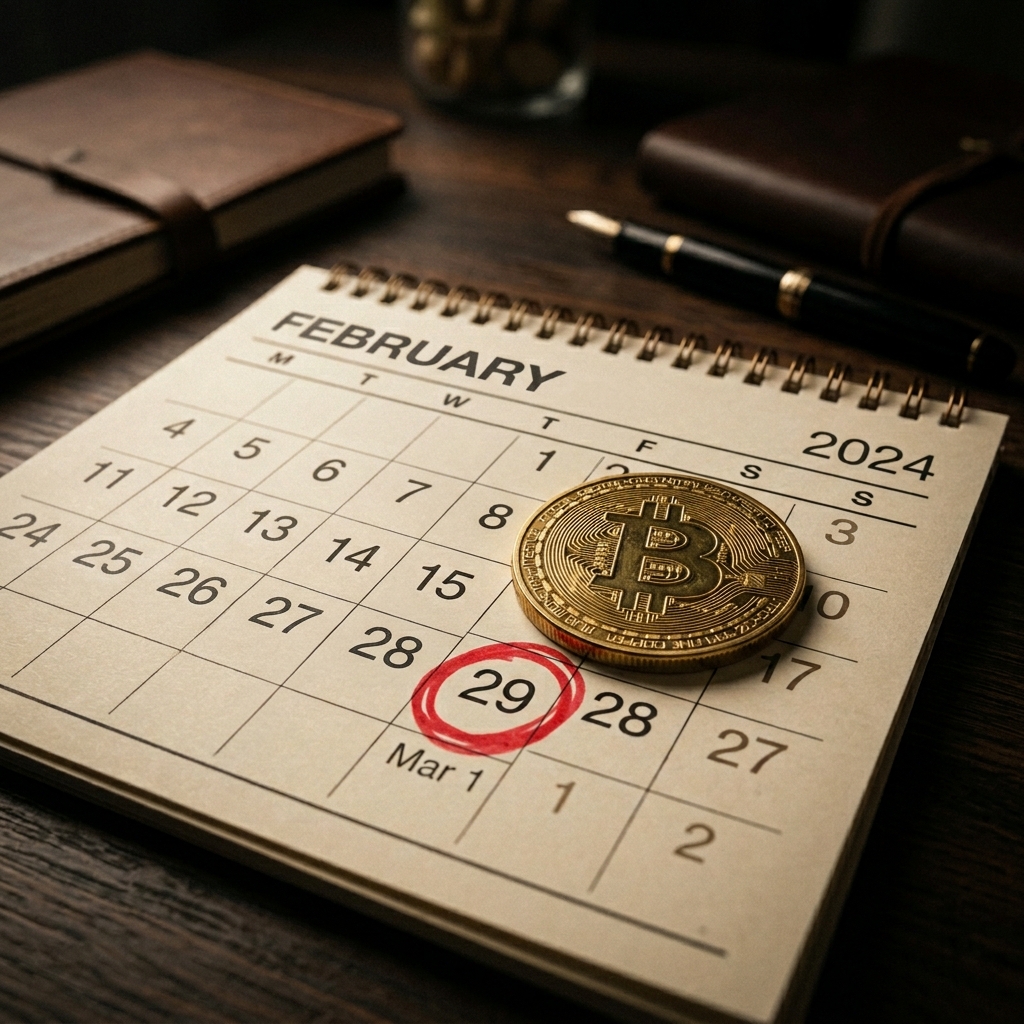
2024 is a leap year, which means the year has 366 days. So if you think you are safe after 365 days, that one extra day could lead you straight into the tax trap.
Conclusion: knowledge is power
This case shows how important it is to be precisely informed. The right strategy and knowing such details can make the difference between a tax-free gain and an unexpected tax burden.
Did you also believe in the 365-day rule until now? Contact me for individual advice.
More articles on this topic
Frequently Asked Questions on the Bitcoin holding period
How exactly is the Bitcoin holding period calculated?
The one-year period runs to the day under Sections 187 and 188 BGB: it begins on the day after acquisition and ends at the close of the day in the following year that corresponds to the day of acquisition. Only a sale after that is tax-free. What matters are the calendar days, not a flat figure of 365 days.
Why are 365 days not enough in a leap year?
Because a leap year has 366 days. Anyone selling on the day of acquisition plus 365 days is still within the one-year period in a leap year and pays tax on the entire gain. The period only ends at the close of the day corresponding to the acquisition date in the following year, regardless of the number of days in between.
Which time of day counts for the holding period?
The time of day is irrelevant; the calendar day counts. A purchase on 15 March at 23:59 and a purchase on the same day at 08:00 start the same period. What matters is the documented execution time of the transaction on the exchange or in the wallet.
What happens if you sell one day too early?
Then the entire gain is a private disposal transaction under Section 23 EStG and is taxed at your personal income tax rate, provided the exemption threshold of 1,000 euros is exceeded. With larger gains, a single day can mean several thousand euros in tax.